
LVT vs Laminate vs Engineered Wood

FLOOR NATION GUIDE
LVT vs Laminate vs Engineered Wood:
Which Floor Is Right for You?
Published by Floor Nation | Updated March 2026 | 5 min read
Choosing new flooring is one of the biggest home improvement decisions you can make. Get it right, and your floors will look stunning and last for decades. Get it wrong, and you could be replacing them far sooner than expected – and spending money you didn’t need to.
At Floor Nation, we sell all three of the UK’s most popular hard floor types: Luxury Vinyl Tiles (LVT), Laminate, and Engineered Wood. Each has its strengths, and the best choice depends entirely on your room, your lifestyle, and your budget.
This guide breaks it all down – no jargon, no filler – so you can choose with confidence.
Quick Comparison: LVT vs Laminate vs Engineered Wood
Feature | LVT | Laminate | Engineered Wood |
Waterproof | ✅ Fully waterproof | ⚠️ Water resistant | ❌ Not waterproof |
Durability | ⭐⭐⭐⭐⭐ | ⭐⭐⭐⭐ | ⭐⭐⭐⭐⭐ |
Underfloor heating | ✅ Compatible | ⚠️ Check spec | ✅ Compatible |
Real wood look | ✅ Excellent | ✅ Good | ✅ Authentic |
Price range | £15–£50/m² | £10–£40/m² | £25–£70/m² |
DIY friendly | ✅ Yes | ✅ Yes | ⚠️ Moderate |
Best for | Kitchens, baths | Living rooms | Living, dining |
Lifespan | 15–25 years | 10–20 years | 25+ years |
Luxury Vinyl Tiles (LVT): The All-Rounder
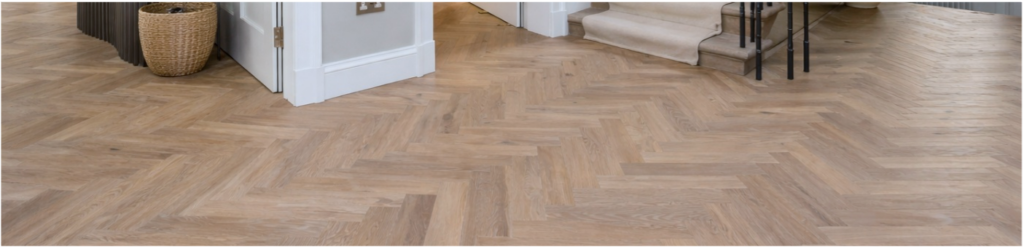
LVT has transformed the UK flooring market over the past decade, and for good reason. It looks like real wood or stone, but it’s 100% synthetic – meaning it’s fully waterproof, incredibly durable, and surprisingly comfortable underfoot.
Modern LVT uses high-definition photography and embossed textures to replicate natural materials with astonishing accuracy. Whether you’re after a herringbone oak look or a cool slate stone effect, there’s an LVT for it.
LVT: Key Advantages
- Fully waterproof – the only hard floor safe for bathrooms and wetrooms
- Comfortable and warm underfoot, especially with underlay
- Compatible with underfloor heating systems
- Highly resistant to scratches, scuffs and heavy foot traffic
- Available as click-fit (DIY-friendly) or glue-down for commercial use
- Low maintenance – just sweep and mop
Floor Nation Recommendation: LVT is our top pick for kitchens, bathrooms, hallways and open-plan living spaces. Explore our range including Karndean Palio, Luvanto Click Plus and Polyflor Camaro – all available with free samples. |
LVT: Things to Consider
- Can feel slightly harder underfoot than laminate without good underlay
- Lower-quality LVT can look plasticky – always check the wear layer thickness (go for 0.3mm+)
- Glue-down types require professional installation
Laminate Flooring: The Budget-Friendly Classic
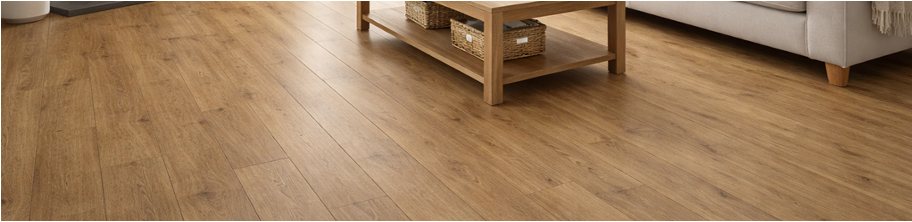
Laminate has been a UK household staple for over 20 years, and the quality has improved enormously. Today’s laminate – especially from premium brands like Quick-Step and Egger – offers genuine wood-effect beauty at a very accessible price point.
Laminate is made from high-density fibreboard (HDF) topped with a photographic layer and protective coating. Unlike LVT, it contains real wood-based materials, which gives it a slightly more authentic sound and feel underfoot.
Laminate: Key Advantages
- Most affordable hard flooring option per m²
- Realistic wood and tile effects, including wide planks and chevron patterns
- Easy DIY installation with click-lock systems
- Harder surface than LVT – good resistance to dents and furniture marks
- Wide range of thicknesses from 7mm to 12mm+
Floor Nation Recommendation: For living rooms and bedrooms on a budget, laminate is hard to beat. We stock Quick-Step Impressive Ultra (12mm, lifetime warranty), Egger Pro Aqua and Kronospan Atlantic 10mm – ideal for first-time buyers and renovation projects. |
Laminate: Things to Consider
- Not fully waterproof – spillages must be wiped up quickly
- Cannot be used in bathrooms or rooms with high moisture
- Cannot be sanded and refinished like real wood
- Can sound hollow underfoot without proper underlay
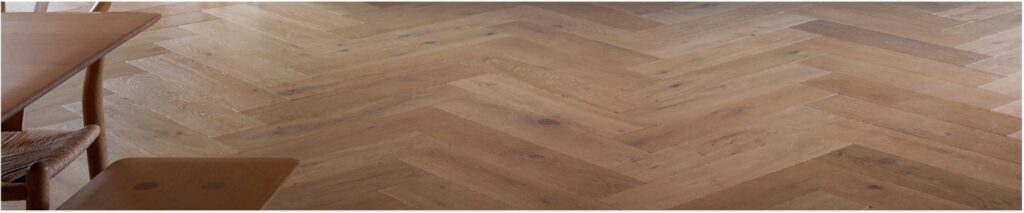
Engineered Wood Flooring: The Premium Choice
If you want the real thing – genuine timber grain, natural warmth and the prestige of wood flooring – engineered wood is the answer. Unlike solid hardwood, engineered wood has a plywood base topped with a real hardwood veneer, which makes it more dimensionally stable and suitable for a wider range of environments.
Engineered wood can be installed over underfloor heating (always check the manufacturer’s spec), and higher-end boards can be sanded and refinished multiple times, extending their life for decades.
Engineered Wood: Key Advantages
- Real wood top layer – no imitation, genuinely authentic grain and character
- More stable than solid wood – less prone to expansion and warping
- Can be sanded and refinished to restore the surface
- Excellent long-term investment – 25+ year lifespan
- Available in a huge range of species, finishes and plank widths
- Adds real value to your property
Floor Nation Recommendation: Engineered wood is ideal for living rooms, dining rooms and studies where you want a premium, lasting finish. Explore our Kahrs, Parador and Floor Nation own-brand ranges, with options starting from £34.99/m². |
Engineered Wood: Things to Consider
- Higher price point than LVT and laminate
- Not suitable for wet rooms or areas with standing water
- Requires more care – use recommended cleaning products only
- Moderate DIY difficulty – tongue and groove boards can be trickier to fit
Which Floor for Which Room?
Still not sure? Here’s a simple room-by-room breakdown to help you decide:
Room | LVT | Laminate | Eng. Wood |
Kitchen | ✅ Best choice | ⚠️ With care | ❌ Not ideal |
Bathroom / Wetroom | ✅ Best choice | ❌ Avoid | ❌ Avoid |
Living Room | ✅ Excellent | ✅ Great | ✅ Excellent |
Bedroom | ✅ Good | ✅ Good | ✅ Excellent |
Hallway | ✅ Best choice | ⚠️ Moderate wear | ✅ Good |
Dining Room | ✅ Great | ✅ Great | ✅ Excellent |
What Does Each Option Cost?
Price varies depending on brand, thickness and finish – but as a general guide for the UK market in 2026:
- Laminate: £10 – £40 per m² (budget to premium)
- LVT: £15 – £50 per m² (entry-level to luxury brands like Karndean)
- Engineered Wood: £25 – £70+ per m² (depending on wood species and wear layer)
Don’t forget to budget for underlay, door bars and adhesive – typically adding £3–£8 per m² to your total. Floor Nation sells all the accessories you need in one place.
Frequently Asked Questions
Can LVT go over underfloor heating?
Yes – most LVT products are compatible with underfloor heating systems. Always check the maximum temperature rating on the specific product (typically 27°C surface temperature). Karndean, Luvanto and Polyflor all produce underfloor heating-compatible ranges.
Is laminate flooring waterproof?
Standard laminate is water-resistant, not waterproof. Small spills wiped up quickly won’t cause damage, but prolonged moisture exposure will cause the HDF core to swell. For wet areas, always choose LVT. Some premium laminates – like Quick-Step Impressive Ultra – offer enhanced moisture resistance.
Can engineered wood be used in kitchens?
It’s not ideal. Kitchens involve regular moisture, steam and the risk of spills. Most manufacturers advise against engineered wood in kitchens. LVT is a far safer bet and can achieve the same wood-effect look without the risk.
How long does each floor last?
With proper care: LVT lasts 15–25 years, laminate 10–20 years, and engineered wood 25 years or more (especially boards that can be sanded and refinished). The quality of installation and underlay has a significant impact on lifespan for all three types.